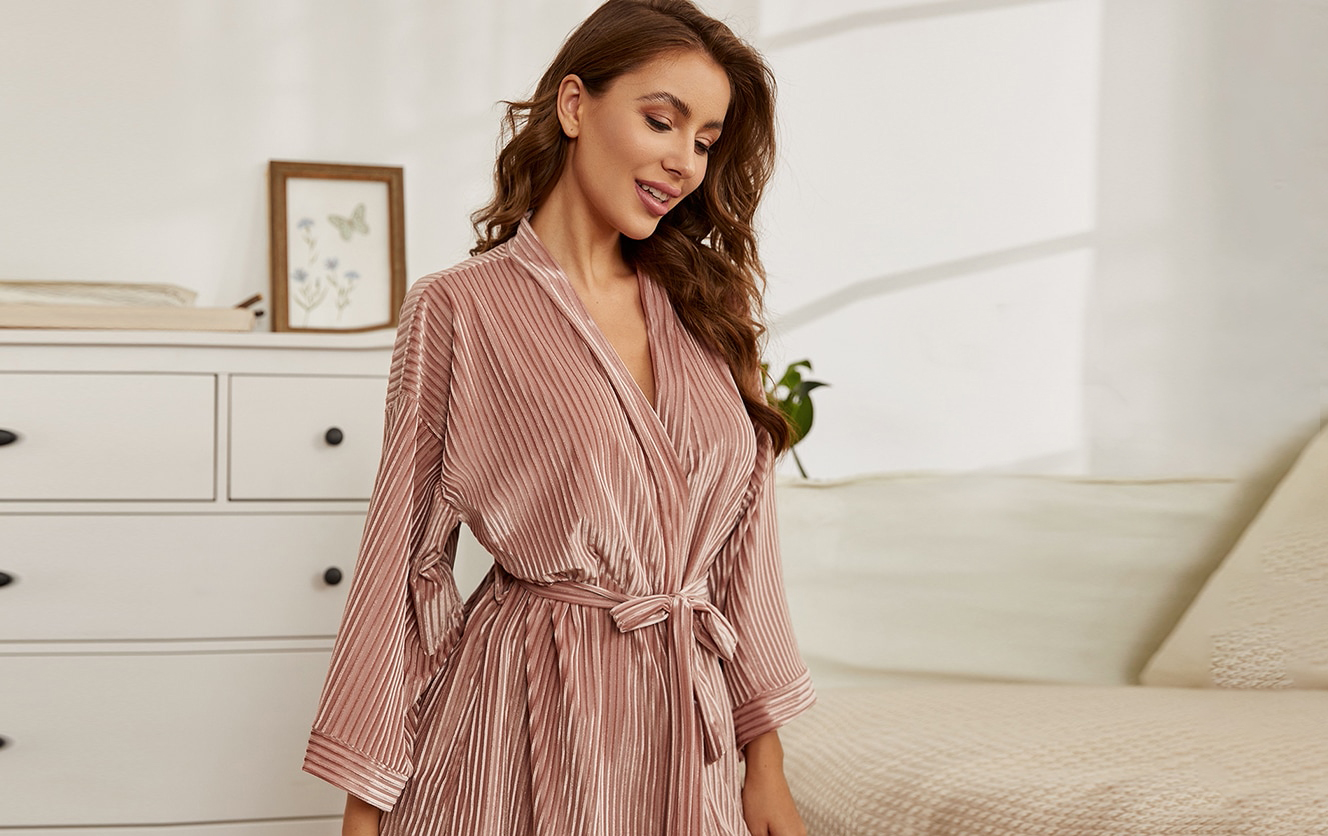
Have you ever wondered how your pajamas, nightdresses, or dressing gowns came about? Without them, our nights would be all the more uncomfortable, let alone colder. A nightly essential, or a fashion statement, from pure silk or cotton, nightwear plays an important part in our wardrobes.
The origins of pyjamas:
The word “pyjamas” is derivative from the Persian word “paejama”, meaning leg covering. They were worn in the East as standard attire but were introduced in Britain during the 17th century as lounging garments. In fact, pyjamas owe their increasing global popularity to the British.
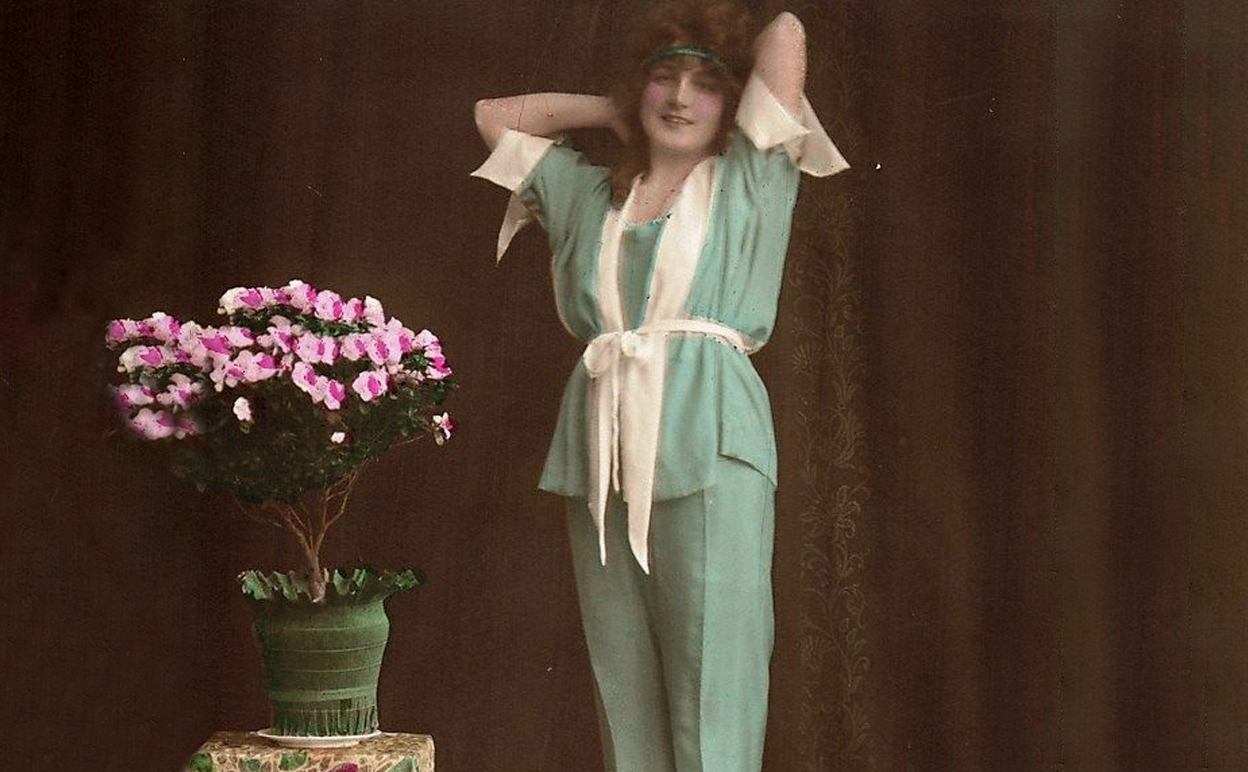
It will come as no surprise to learn that originally, pyjamas were predominantly worn by men. Around the 1890s, pyjamas started to replace the night-shirt for men, and by the 1930s, they became a staple of men’s wardrobes. Back then, pyjamas were made from cotton, flat or brushed. They were not considered proper for women to wear, because they showed their bodies. That changed in the 1920s when Chanel introduced the lounging pyjamas for women that were an instant hit. Made from high-quality silks and more tailored in appearance, these ladies’ pyjamas won women over. The 1934 romantic comedy It Happened One Night also helped spark a craze for pyjamas.
By the 1940s, men still wore cotton pyjamas, while women started wearing “baby doll” pyjamas, which consisted of a sleeveless top with frilly hem and frilled shorts. Lace and puffy sleeves were incorporated, while lightweight silk and cotton were used. This change of style continued until the 70s when Asian influences became a part of ladies’ and men’s pyjamas. Nowadays, pyjamas can be made from a variety of fabrics – from simple cotton to luxurious silk. There is also a wide range of styles available, so you can choose from more traditional sets with a jacket and pants or a modern one with short-sleeved pyjamas, Capri pyjamas, or even onesies.
Nightgowns:
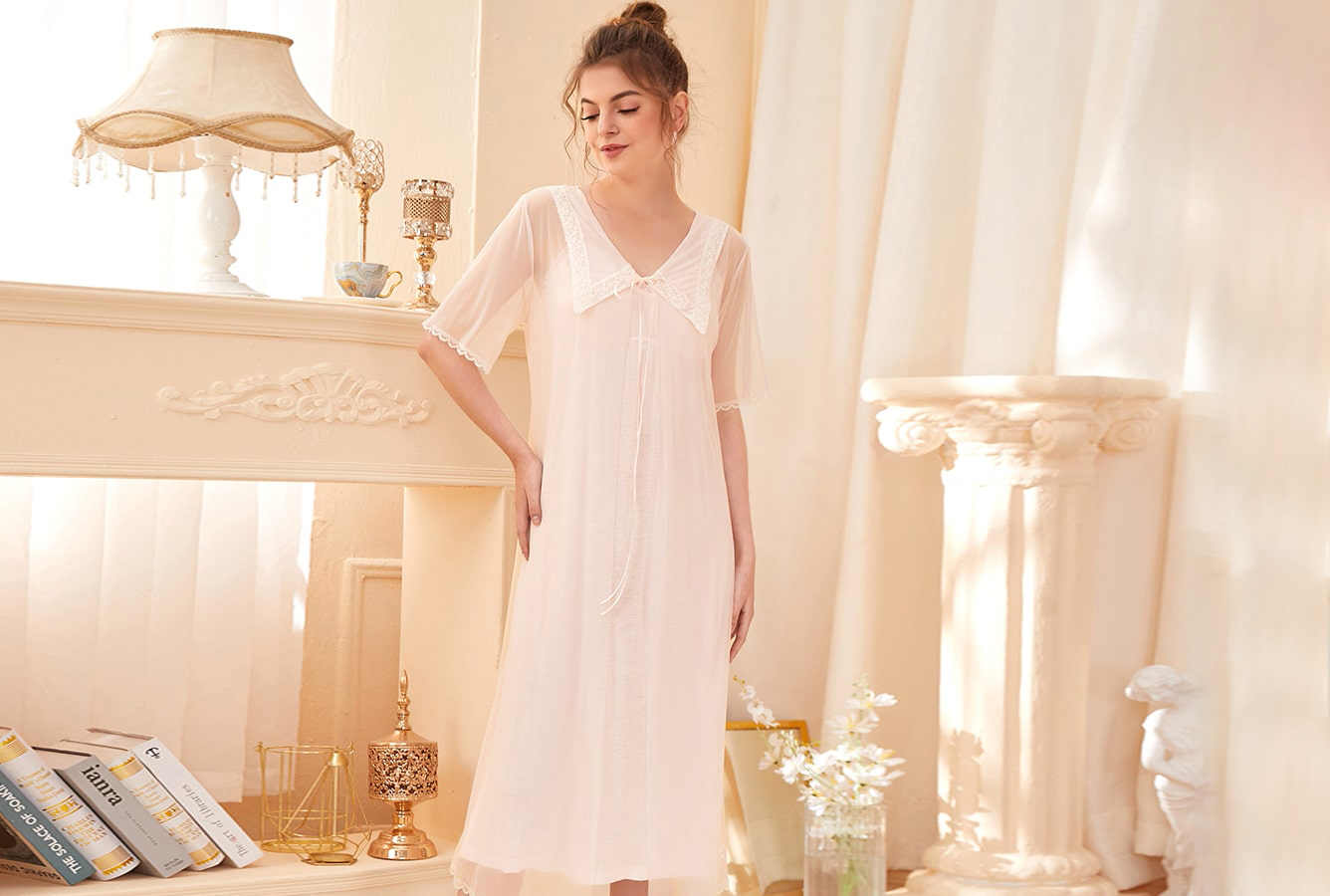
Nightwear cut as a male shirt or female shift has been used for centuries. They were bulky and shapeless, but still offered vital protection against the elements. Made from white linen, they could be bleached and boiled and were subjected to heavy use. They remained relatively unchanged as the centuries passed, until the 19th century, when nightgowns became more tailored and stylish by adding yokes, collars, and cuffs. However, they were still long, mainly made from cotton, and most often white.
Pyjamas entered the feminine nightwear wardrobe in the late 19th century, but long nightgowns were still fashionable. In the 20s and later, nightwear became increasingly more colourful and diverse, responding to fashion directives. Ruffles and lace, a variety of luxury natural fabrics and synthetics, and a variety of lengths mean that the traditional nightgown is here to stay. What better to wind down in the evening than a soft and comfortable nightgown in natural fabric?
Dressing gowns:
Like pyjamas, dressing gowns were influenced by Middle Eastern and oriental cultures. Initially, they were colourful coats, meant to be worn by men inside their homes, made from natural fabrics, such as silk, cotton, and velvet. By the 19th century, they were worn equally by both sexes, over their nightshirts and nightgowns, without losing the rich fabrics. Men had longer dressing gowns, while for women, it was an escape from the tight confines of their corsets. Back then, a dressing gown was also used to protect a lady’s clothes from hair powder while she sat in front of her vanity mirror to get ready.
The concept of the dressing gown lasted until the 20th century when hostess dresses and robes were introduced to the wider public. However, as more women entered the workforce and the idea of sitting around the house in a dressing gown was no longer applicable, dressing gowns lost their appeal. It was only in the latter decades of the 20th century that wearing something comfortable at the end of the day gained traction, and it is still an issue of comfort, quite like those 19th-century women.